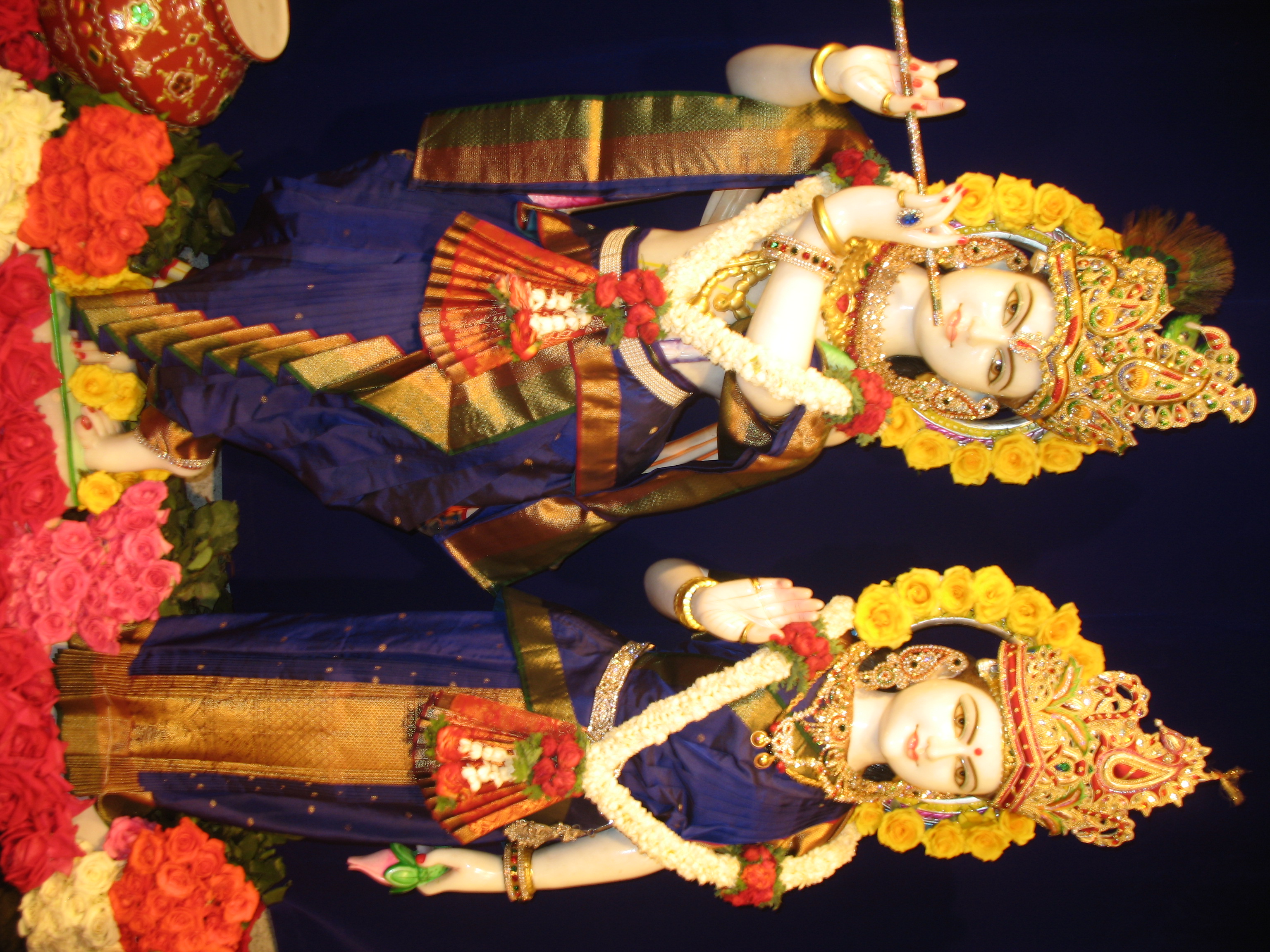
Barsana, the sacred village where Srimati Radharani — the eternal consort and supreme devotee of Lord Krishna — spent her childhood, is one of the most spiritually charged places in the entire Braj region. Located about 50 kilometers from Mathura in the Uttar Pradesh district of Mathura, Barsana is not just a village; it is the very embodiment of divine feminine energy and the supreme abode of devotional love.
The name Barsana is derived from "Brahmasanu" (the peak of Brahma), reflecting its location atop four hills that represent the four arms of Lord Brahma. According to the Bhagavata Purana and various Braj scriptures, Barsana was the kingdom of Vrishbhanu Maharaj, Radharani's father, and it was here that the young Radha grew up, her divine beauty and devotion captivating everyone who beheld her. Every well, every grove, and every pathway in Barsana resonates with the divine pastimes of Radha and Krishna.
The centerpiece of Barsana is the magnificent Shri Radha Rani Temple, perched atop the Bhanugarh Hill. This is the only temple in India that is primarily dedicated to Radharani rather than Krishna, making it uniquely significant. The temple offers breathtaking panoramic views of the surrounding Braj countryside, with its rolling hills, sacred groves, and the distant Yamuna River. The climb to the temple involves ascending over 200 steps, but the spiritual reward of having Radharani's darshan makes every step worthwhile.
Barsana is also world-famous for its unique and exuberant Holi celebrations, particularly the Lathmar Holi, where women playfully beat men with sticks (lathis) while the men protect themselves with shields. This tradition reenacts the playful pastime where Krishna and his friends came to Barsana to tease Radha and the gopis, and the women chased them away with sticks. The Lathmar Holi of Barsana has become an internationally renowned cultural event, attracting visitors and media from around the world.